
A Q&A with Wales’s New Master of Wine
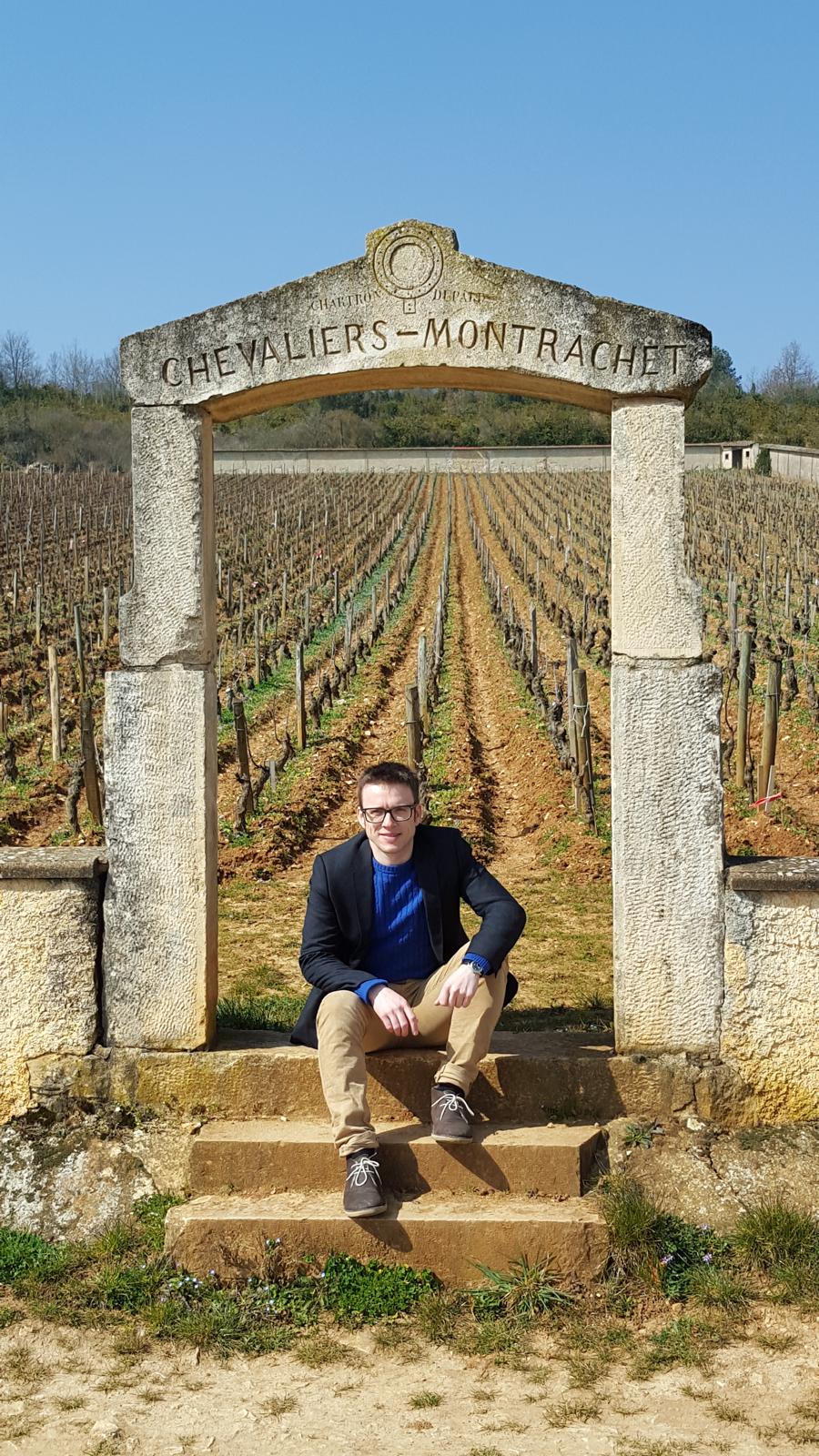
Owain, firstly congratulations on becoming Wales’s 2nd ever Master of Wine. What brought you to this pursuit?
My uncle first introduced me to wine. Then when I was at university in Bristol, which has a long tradition of wine merchants, I started buying the odd bottle from places such as Averys and Harveys to take home for Christmas and other occasions. I began researching what to buy and which vintages, but my interests were fairly narrow then, mainly claret, Sauternes and German Riesling.
Much later I came across the WSET qualifications and signed up immediately. I’d heard of the Master of Wine qualification before, but it had always seemed completely out of reach. However, I was interested in learning more about wine and was intrigued by the challenge.
I understand becoming an MW is no small feat. Can you tell us a little bit of your journey to becoming qualified?
There were areas of theory where I had a lot of catching up to do, particularly the business and handling papers, and I was very fortunate to have an excellent mentor to help me.
One of the most difficult things about the MW is balancing breadth and depth. You need to know about a very wide range of subjects, but it’s very easy to get too involved in the minutiae when there just isn’t enough time to do that with everything. At the same time, that breadth is one of the most interesting things about the qualification.
With tasting, one of the biggest challenges is developing a method for dealing with a wine you don’t recognise immediately. If you recognise a wine immediately, it’s much easier to write about it concisely; if you don’t, you have to work systematically from the structure, aromas and flavours in the glass and draw conclusions from them.
I chose to concentrate exclusively on theory first and practical afterwards. In retrospect I wouldn’t do it that way again, because the two complement each other. In some ways practical is really theory applied to what’s in the glass.
Even though it’s been a lot of work, along the way I’ve met some great people and had opportunities to visit regions and vineyards and learn directly from producers and others in the wine world. That side of the journey has been really rewarding.
What are your hopes and plans for areas of work now you are a Master of Wine?
I’m currently developing a project around wine intelligence. The MW, and more recently the research paper, took up a great deal of my spare time over the last few years, so I’ll have much more time to devote to that now, alongside some consultancy and judging.
Do you have any plans to treat yourself after this milestone? Perhaps a special bottle of wine?
I opened a bottle of Morey-Saint-Denis when I heard, as I have fond memories of spending time there during an internship and a couple of harvests. There’ll also be a few glasses of Champagne with friends and family, which I’ve been advised are mandatory.
That sounds perfect. We wish you all the best here at Fine Wines Direct UK. I hope we can tempt you to one of our regular tastings soon!